Native Speaker Sentences (from the WAXAL dataset) in Ewe
Play 663 fill-in-the-blank cloze sentences and get fluent faster.
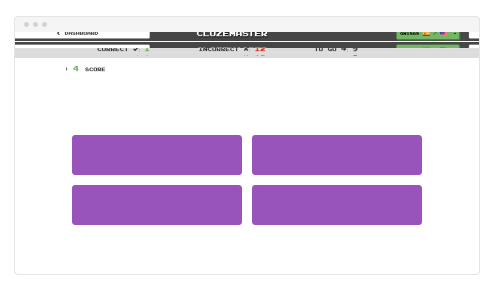
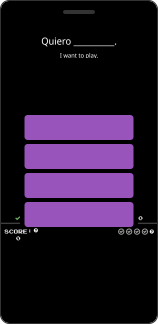
About this Collection
Description
663 sentences read aloud by native Ewe speakers, from WAXAL, a speech dataset by Google Research with University of Ghana (https://huggingface.co/datasets/google/WaxalNLP), licensed CC BY 4.0 (https://creativecommons.org/licenses/by/4.0/). Clozemaster selected the sentences, corrected capitalisation, punctuation and diacritics, chose the missing words, added machine-translated English, which may contain mistakes, and converted the recordings to MP3. Please report any mistakes you find.
All 663 sentences
These sentences come from WAXAL, by Google Research with University of Ghana, licensed CC BY 4.0. Clozemaster selected the sentences, corrected capitalisation, punctuation and diacritics, chose the missing words, added machine-translated English, which may contain mistakes, and converted the recordings to MP3.
-
Eƒe amadede le blɔ.Its colour is blue.
-
Seɖinam mekpɔ vovo o, elabena enɔ atiƒuƒui tɔm hena dzadzra.Seɖinam was not free, because she was frying atiƒuƒui for sale.
-
Tomato si nyɔnu la ƒle le asime la dze ŋɔ.The tomato that the woman bought at the market has got worms.
-
Nyɔnu ɖeka ƒe viwoe nye dzɔɖeyomi ɖekɛɖekɛwo.The children of one woman are siblings born one after another.
-
Asantewaa nye nyɔnu kalētɔ sesē aɖe.Asantewaa is a very brave woman.
-
Eɖe afɔ be yeakplɔ bɔlu la ɖo.He took a step to go after the ball.
-
Ele du dzi eye eƒe afɔ ŋgɔgbetɔ ɖeka dzɔ ɖe ŋgɔ, evelia ŋlɔ.It is running, and one of its front legs is stretched out straight ahead while the other is bent.
-
Ŋutsu aɖe le abo ƒom kple afɔ ƒuƒlu.A man is playing football barefoot.
-
Agbalēviawo le wo nɔewo dzi.The small cards are on top of one another.
-
Woɖo kaɖiawo ɖe flime.The cards have been arranged in a row.
-
Nunɔla yeye do le ɔsɔfowo ƒe nusr̃ɔƒe.A new priest has graduated from the pastors' seminary.
-
Lāmesē, kple agbe didie míebia le ƒe yeye sia me.Good health and long life are what we ask for in this new year.
-
Ɖeviawo kple wo fofo ɖua nukɔ le agble me hafi gbɔna le zã me.The children and their father eat at the farm before coming home at night.
-
Ɣleti do heklē ɖe tsigbana dzi.The moon has come out and is shining on the surface of the water.
-
Alilikpo ƒe akpa si ɣleti do le la, le ɣi.The part of the cloud where the moon has come out is white.
-
Ƒoave nye Eʋeawo ƒe ɣleti wuietɔlia.Ƒoave is the thirteenth month of the Ewe.
-
Le zã me le atsiaƒu dzi, ɣleti klẽ ɖe atsiaƒu la dzi.At night on the sea, the moon shone on the sea.
-
Tsi adza egbe Memliɖa ŋdi kple yaƒoƒo ʋuduʋudu gake dzi maɖe gbe o.It will rain this Saturday morning with gusty winds, but there will be no thunder.
-
Meɖu dzeŋkplē kple danye ŋdi sia.I ate dzeŋkplē with my mother this morning.
-
Avuvɔ awɔ tso ŋdi va se ɖe ɣetrɔ me eye xexeame atsyɔ.It will be cold from morning until the afternoon and the sky will be overcast.
-
Teƒe ka nanɔ le Dzoɖa ŋdi?Where will you be on Monday morning?
-
Yame ƒe dzoxɔxɔ ayi dzi le ŋdɔ me ke agatrɔ le aɖaba ƒoƒo blaet̃ɔ me.The temperature will rise in the afternoon but will change again in thirty minutes.
-
Le zã titina la, yame ƒe dzoxɔxɔ ayi dzi eye zãtsi adza.At midnight, the temperature will rise and rain will fall in the night.
-
Ŋdɔ nu asẽ le ŋkekea me si awɔe be dzoxɔxɔ nanɔ anyi eye ke naxɔ dzo tso ŋdi ga asieke me.The sun will be strong during the day, which will make it hot, and the sand will heat up from nine o'clock in the morning.
-
Ŋutsu la kple nyɔnu la lé ɖevi la ƒe asi ɖe asi.The man and the woman are holding the child's hands.
-
Tɔdzisasrã gã la to tɔsisi la dzi.The big bridge passes over the river.
-
Kaɖitiwo le xɔxɔ le tɔdzisasrã gã si le tɔsisi la dzi la xa.There are lamp posts standing beside the big bridge over the river.
-
Ŋdɔ le dzi eye tɔsisi blɔ la hã le agbodzem.The sun is up and the blue river is also surging.
-
Tɔsisi legbe aɖe míetsona hafi yina suku.We cross a long river before going to school.
-
Dzinu la de dzi bliboe ɖe tɔsisi la dzi le fɔŋli me.The full moon has risen over the river at dawn.
-
Ɖɔkunu nye nuɖuɖu vevi aɖe na Gɛawo.Ɖɔkunu is an important food for the Ga people.
-
Yesudzidzi ƒe ŋkekea nye ŋkeke vevi aɖe na kristosubɔlawo.Christmas Day is an important day for Christians.
-
Ɖɔka la ku abo la goŋgoŋgoŋ.The net held the ball tight.
-
Hilla Limann si nye Ghana dukplɔlawo dometɔ ɖeka la de suku le London.Hilla Limann, who was one of Ghana's presidents, went to school in London.
-
Abina, Isaka, Yusif, Amina, kple Kɔdzo zɔ azɔli yi suku.Abina, Isaka, Yusif, Amina and Kɔdzo walked to school.
-
Ne wometsɔ agbelikaklo de agba me na Kofi o la suku yiyi mesẽa lãme nɛ o.If agbelikaklo is not packed for Kofi, he has no enthusiasm for going to school.
-
Kaklo kple aliha vivia nyɔnuvi la ŋu ale gbegbe be edzenɛ gbe sia gbe ne wòkpã tso dɔme yina ɖe aƒe me.The girl likes kaklo and aliha so much that she buys them every day when she closes from work and is going home.
-
Netsɔ nàyi aƒe hafi Kuɖagbe naɖo.Hurry up and go home before Wednesday comes.
-
Blema gbedoɖaƒe xɔ ŋkɔ na Moslemiwoe nye Larabanga Moslemiwo ƒe gbedoɖaƒe si le Larabanga dua me.The famous ancient mosque for Muslims is the Larabanga mosque, which is in the town of Larabanga.
-
Da yibɔ la lia ati ƒuƒu la.The black snake climbed the dry tree.
-
Enye gbedoɖaƒexɔ si tsi wu le Ghana kple ɣetoɖoƒe Afrika dukɔwo katā me.It is the oldest mosque in Ghana and in all the countries of West Africa.
-
Tsaɖiƒe si nye agbadroƒe akpe ɖeka kple alafa enyi blade vɔ asieke si le dziehe nutome lae nye Mole National Park.The tourist site covering 1,869 square miles in the northern region is Mole National Park.
-
Burkina Faso le Ghana dukɔ ƒe Dziehe abe agbadroƒe alafa atɔ, blaene vɔ enyi sɔŋ.Burkina Faso is to the north of Ghana, a good five hundred and forty-eight miles or so.
-
Etsɔ Dzoɖa si gbɔna lae nye dulise ŋkeke, eya ta dziɖuɖu bia be nyadzɔdzɔdɔƒewo nafia nu nyaselawo ku ɖe dulisea ŋu.This coming Monday is Constitution Day, so the government asks the media houses to educate listeners about the constitution.
-
To kɔkɔwo dometɔ ɖeka le Ghana dukɔme la, le Hohoe, Amugā nutome.One of the high mountains in Ghana is in Hohoe, in the Volta Region.
-
Egbe fiē la, ɣe aɖo to kaba le ga atɔ̄ me eye tsizi ƒe dodo la anɔ abe blaadre vɔ ade ɖe alafa dzi ene.This evening, the sun will set early at five o'clock and the humidity will be about seventy-six percent.
-
Ɖe nèkpɔ amadede blɔ le agbalẽ sia me hafi le amadede blɔ yɔm mahã?Did you see the colour blue in this book before you named the colour blue?
-
Nyɔnu si do awu ɣi evelia la le dɔnɔdzikpɔlawo ƒe hatsotso la dome.The second woman wearing white is among the group of nurses.
-
Ŋutsu la do atalegbe aŋgbaɖiɖi kple awu abɔlegbe si nye avumi ƒe amadede.The man is wearing yellow trousers and a long-sleeved shirt that is brown.
-
Nyɔnu la do awu didi.The woman is wearing a long dress.
-
Mensa do awu yeye.Mensa is wearing a new shirt.
-
Awu gbemumu le asinye.I have a green dress.
-
Tomato ɖiɖi eve le kaɖɔti la megbe.Two ripe tomatoes are behind the carrot.
-
Tomato ɖiɖi eve le axadzi na karɔti ɖeka la.Two ripe tomatoes are beside the one carrot.
-
Tomato ɖiɖi la dze ŋɔ.The ripe tomato has got worms.
-
Enam ɖu akplē etsɔ.Enam ate akplē yesterday.
-
Afi kae míakpɔ Afadzato le? Liati Wote le Hohoe le Amugā nutoa me.Where can we find Afadzato? At Liati Wote in Hohoe, in the Volta Region.
-
Teƒe kae míakpɔ Ŋɔtsie gliwo le? Ŋɔtsie gliwo le Togo me eye woƒe fiazi ŋkɔe nye Agɔkɔli teƒe si Eʋeawo do to gli me le.Where can we see the walls of Ŋɔtsie? The walls of Ŋɔtsie are in Togo, and the name of their king was Agɔkɔli; it is the place where the Ewe escaped through the wall.
-
Kofi Busia wɔ dɔ abe dudɔnunɔla ene eye wòtrɔ asi le dukɔa ƒe ganyawo ŋu.Kofi Busia served as prime minister and reformed the country's finances.
-
Tɔsisi la to togbe dama la ƒe titina.The river runs through the middle of the green hill.
-
Ŋutsu kple nyɔnu wolé ɖevi aɖe ɖe asi ke ɖevi la le titina na wo.A man and a woman are holding a child by the hand, and the child is between them.
-
Aɖaklutoa le ɣetoɖoƒe gome na Sogakɔƒe eye wole Dziehe na Mafi Kumasi kple Sasekpe.Mount Adaklu is to the west of Sogakope and it is north of Mafi Kumasi and Sasekpe.
-
Woƒo bɔlu hedo age.They kicked the ball and scored a goal.
-
Wodo age ɖe abodaɖɔka me.A goal has been scored into the football net.
-
Dɔnɔa bia be woaɖa mɔlu kple detsiƒuƒui nɛ.The patient asked for rice and detsiƒuƒui to be cooked for him.
-
Ɖeviwo dada ƒle abolo tso asi vɛ na ɖeviawo le aƒea me be woaɖu hafi yeaɖa fie nuɖuɖu ne woaɖu.The children's mother bought abolo from the market for the children at home to eat before she cooks the evening meal for them.
-
Abolo nɔa ɖevi la ƒe nuɖuɖugba me ɣe sia ɣi elabe dada ŋutɔe ɖanɛ.Abolo is always in the child's lunch bowl because his mother makes it herself.
-
Aboagye kple Odikro wɔ mɔzɔzɔ yi Tarkwa nyitsɔ Kuɖagbe.Aboagye and Odikro made a journey to Tarkwa last Wednesday.
-
Amadede vovovo le agbalēawo si.The books come in different colours.
-
Tugbedzewo ƒe azã le Kɔsiɖagbe, eya ta mina míadzra ɖo.The young women's festival is on Sunday, so let us get ready.
-
Yevu ŋutsu aɖe le aƒeme.A white man is at home.
-
Esi wòyi aƒeme la, eɖe eƒe agbalē geɖewo heɖo wo ɖe ɖoɖo si nu wòate ŋu akpɔ eƒe ŋuɖoɖowo.When she went home, she took out her many books and arranged them in an order that would let her find her answers.
-
Sɔ la le du sim hele dzadzram ɖo na hoʋiʋli la.The horse is running and getting ready for the race.
-
Dzeŋkplẽ kple abɔbitadi si ŋutsua ɖu la koe gale dɔme nɛ tso fɔfɔ me si wòf̃ɔ dze dɔ la gɔme.The dzeŋkplẽ and abɔbitadi that the man ate is the only thing still in his stomach since the morning, when he woke up and started the work.
-
Sukuviwo ato suku le kɔsiɖa si gbɔna la ƒe blaɖagbe.The pupils will break from school on the Tuesday of the coming week.
-
Azaɖuɖu la anɔ memliɖa et̃ɔ siwo gbɔna la dzi.The festival will be held three Saturdays from now.
-
Egbe la xexeame ƒe dzoxɔxɔ nu masẽ o, eye mɔkpɔkpɔ meli na tsi ƒe dzadza hã o.Today the heat will not be intense, and there is no expectation of rain either.
-
Dzinu le do le zã me eye wòle keklẽm ɖe tɔ la dzi.The moon is out at night and it is shining on the water.
-
Zã do eye dzinu la le dziƒo hele keklẽm ɖe tsaƒu yibɔ la dzi.Night has fallen and the moon is in the sky, shining on the black sea.
-
Dzinu wuietɔ̄e le Eʋe ɣletiwo me.There are thirteen months in the Ewe calendar.
-
Dzinu la le ɖiɖim.The moon is shining.
-
Míake mɔ le ŋkeke eve si fia be míanɔ aƒe me le dzinu evelia me.We will go on holiday in two days, which means we will be at home in the second month.
-
Ɣletivi aɖe le dzinu me.There is a star in the moon.
-
Nyɔnuvi la le gbã le hoʋiŋli la me.The girl is first in the competition.
-
Mekpɔ nɔnɔmetata si nye ave eye atiwo si nye ati mumu la ƒo xlã xɔ kɔkɔ aɖe si le blɔ.I see a picture of a forest, and green trees surround a tall building that is blue.
-
Agbadɔ kɔkɔ aɖe si wodo ɖe aʋagbedzi lae nye esi.This is a tall tent that has been pitched on a battlefield.
-
Afɔ eve gasɔ kɔkɔ aɖee nye esia.This is a tall two-wheeled bicycle.
-
To kɔkɔ aɖe le nye xɔ te tututu.There is a high mountain right below my house.
-
Yevukutsetse si le agble la me la dze gbegblẽ.The apples on the farm have started to go bad.
-
Akɔɖuti eve si le agble evelia me la ku.The two banana trees in the second farm have died.
-
Ŋdɔ me la, ehiã be ɖeviwo naɖu akplẽ kple devi hafi ayi ɖe agble me kple susu be woƒe lãmewo nasẽ ɖe dɔwɔwɔ la ŋu.In the afternoon, children need to eat akplẽ with devi before going to the farm, so that their bodies will be strong for the work.
-
Avu la le fefe fem kple abo la.The dog is playing with the ball.
-
Yakayaka menye fefe nu o elabe ne menya eɖuɖu o la wove atsi te.Yakayaka is no joke, because if you do not know how to eat it, it will get stuck in your throat.
-
Bɔlu blɔ aɖee nye esia.This is a blue ball.
-
Ŋutsu aɖe le bɔlu ƒom.A man is playing football.
-
Ede afɔ bɔlu la te eye wòƒoe yi yame vie.He put his foot under the ball and kicked it up into the air a little.
-
Bɔlu la lɔ ɖɔla le agelétia me.The ball hit the net inside the goalposts.
-
Eye wòtsɔ bɔlu si ƒe amadede nye kɔfi la da ɖe dome dome na dzogoe etɔ̄ ƒe tikpakpɛ eveawo.And he placed the ball whose colour is brown right in between the two wooden triangles.
-
Míakpɔ mɔ na xexeame kple yame ƒe fafa le ŋkeke blibo la katã me.We will expect cool weather throughout the whole day.
-
Kplu ene vovovowo tu ɖe nu.Four different cups are lined up next to each other.
-
Tsinokplu sia le abe Hausatɔwo ƒe kplu ene.This drinking cup is like the Hausa people's cup.
-
Woɖo kpe eve ɖe dzisasā la ƒe nuwuwu.Two stones have been set at the end of the bridge.
-
Galã si nyo na galãkplẽ lae nye galãledzi si woɖena kple kpã si wowɔna kple ganuvi eye wotsɔa ʋuƒo tua ene hetsɔa aŋekpa hea edzie.The gari that is good for galãkplẽ is galãledzi, which is taken off with a scoop made from a small tin, then pressed down with a ʋuƒo and levelled with an aŋekpa.
-
Aŋuti vivi etɔ̄e nye esi.These are three sweet oranges.
-
Enye nutata si nya kpɔ ŋutɔ.It is a very beautiful drawing.
-
Aʋa la nu sē ale gbegbe be, wòƒu du to dzobibi me gɔ̄ hā.The war was so fierce that it even ran through burning fire.
-
Sukuyiyi vevietɔ le Dzoɖagbewo la vena Kɔdzo ŋutɔ.Going to school, especially on Mondays, is really painful for Kɔdzo.
-
Gasɔ kple ʋu la zɔ agbasasā la dzi tso tɔsisi la ƒe akpa ɖeka yi akpa evelia dzi.The bicycle and the car crossed the bridge from one side of the river to the other.
-
Ati do ave aɖe le gbe aɖe me si te nyi aɖe le hele gbe ɖum eye nyi la ƒe amadede nye ɣi kple yibɔ.A clump of trees stands in a field, under which a cow is grazing, and the cow's colour is white and black.
-
Enyo ƒe vi gbātɔ xɔ ƒe ɖeka etsɔ.Enyo's first child turned one year old yesterday.
-
Maɖa te etsɔ si gbɔna.I will cook yam tomorrow.
-
Kɔku de tsɔƒee etsɔ gake mekpɔ Seyram kple Setiam o.Kɔku went to the funeral yesterday but did not see Seyram and Setiam.
-
Dɔnɔdzikpɔlawo ƒe hatsotso etɔ̄ sɔŋ mee menɔ hafi.I used to be in as many as three nurses' associations.
-
Agbalẽ siawo nye nunana si dziɖuɖua na Kofi ɖe eƒe agbagbadzedze ta.These books are a gift that the government gave Kofi for his effort.
-
Alɔ lɛ aɖe si nye gbemu la, le esi.It has a slender stalk that is green.
-
Ele gbemu ƒe amadede me.It is green in colour.
-
Ƒe ka mee Kose dze modzakaɖeɖe ƒe dɔwɔna gɔme? Kose dze eƒe modzakaɖewɔnawo gɔme le ƒe akpe eve kple wuiade me le Akatsi.In what year did Kose start his entertainment work? Kose started his entertainment activities in the year 2016 in Akatsi.
-
Tsinokplu ene le kplɔ dzi le wo nɔewo yome.Four drinking cups are on the table, one after the other.
-
Nutatawo ƒe lolo me sɔ.The drawings are the same size.
-
Wotua dɔwɔƒea le memliɖa kple kɔsiɖa gbe heʋunɛ le dzoɖa.The office is closed on Saturday and Sunday and opened on Monday.
-
NADMO nye dɔwɔƒea si kpɔna afɔkunyawo gbɔ.NADMO is the agency that deals with disaster matters.
-
GNPC dɔwɔƒea de sukudede femaxee wɔna to me.The GNPC company has taken on a fee-free schooling programme.
-
Le fiẽ me la, tsi aɖo tso gã adre eye yaƒoƒo kple dzokeke akplɔe ɖo hafi tsi la nadza.In the evening, rain will set in from seven o'clock, and wind and lightning will come with it before the rain falls.
-
Dzoxɔxɔ anɔ yame le kuɖa ŋdi, yaƒoƒo anɔ eme gake ŋdɔ nu ave vie.It will be hot on Wednesday morning; there will be wind, but the sun will be a little harsh.
-
Yame manyo le egbe me o, yaƒoƒo asẽ abe blaasieke ɖe alafa dzi ene eye wòaɖe fu na tɔdzidɔwɔlawo.The weather will not be good today; the wind will be strong, about ninety percent, and it will trouble people who work on the water.
-
Gasɔ yibɔ le ŋutsuvi la si.The boy has a black bicycle.
-
Ɖevia nye vi ŋutsuvi et̃ɔlia na fofoa.The child is his father's third son.
-
Ŋutsuvi si le dɔ sr̃ɔm la ado le dɔme le Anyɔnyɔ.The boy who is learning a trade will finish his apprenticeship in September.
-
Fli ɣi aɖewo le eme.There are some white lines in it.
-
Fli yibɔ to amadede aŋgbaɖiɖi me.A black stripe runs through the yellow colour.
-
Kɔsiɖagbe ɖe sia ɖe nye ŋkeke si woɖe da ɖi na subɔsubɔ.Every Sunday is a day that has been set aside for worship.
-
Ele bɔl ƒom.It is playing ball.
-
Bosomtwe tɔsisi nye dzɔdzɔme tɔtɔsisi ɖeka pɛ si le Ghana dukɔme.Lake Bosomtwe is the only natural lake in Ghana.
-
Tɔsisi si nye Bosomtwe nye dzɔdzɔme tɔgbadza ɖeka toŋ si le Ghana.The body of water called Bosomtwe is the only natural lake in Ghana.
-
Ɖevi la kɔ seƒoƒo blɔ la da ɖe seƒoƒo si nye gbemumu la dzi.The child put the blue flower on top of the green flower.
-
Dzoya gã si nye amadede vovovo abe ɣi, dzĩ, blɔ kple gbemumu la le ɖevi la si.The child has a big umbrella in different colours such as white, red, blue and green.
-
Seƒoƒoa ete tɔ le gbemumu ke edzi tɔ le dzii.The bottom part of the flower is green but the top part is red.
-
Seƒoƒo aɖe le eƒe zevi me.There is a flower in its little pot.
-
Seƒoƒo nye gbemu.The flower is green.
-
Teƒe si woda seƒoƒo kple eƒe zevia ɖo la le ɣi.The place where the flower and its little pot were set is white.
-
Seƒoƒo aɖe ƒo se.A flower has bloomed.
-
Anyiawo klē woƒe ŋkuwo.The bees have opened their eyes wide.
-
Woƒe ŋkuwo le ɣi kple yibɔ.Their eyes are white and black.
-
Ŋɔ la ƒe amadede nye piŋki, eƒe ŋkuwo kple nugbɔ nye ɣi kple yibɔ.The worm's colour is pink; its eyes and mouth are white and black.
-
Nyinɔ la ƒe no ge.The cow's udder hangs down.
-
Teƒe si ɣletia mete ŋu klē ɖo le tsia dzi o la, le yibɔ.The place on the water where the moon could not shine is black.
-
Mali dukɔ ɖu Ghana aboƒoha dzi.Mali beat the Ghana football team.
-
Dzekplē nye kɔnu nuɖuɖu veviwo dometɔ ɖeka na Eʋeawo.Dzekplē is one of the important ritual foods for the Ewe.
-
Le etsɔ la, ahomya aƒo kple ŋdi ƒe ʋuʋu eye tsidzadza manɔ ŋkekea me o.Tomorrow, a storm will blow along with the morning sunshine, and there will be no rain during the day.
-
Amedzɔƒe nye du si me fa eye tsidzadza mesese na li o, ete ɖe Gemito ŋu le nyiehe.Amedzɔƒe is a town where it is cool and rain is not hard to come by; it lies close to Mount Gemi to the south.
-
Abo si ƒe amadede nye ɣi kple yibɔ la le ɖɔ la me.The white and black ball is in the net.
-
Wode ɖɔ woƒe agelétiwo me.Nets have been put in their goalposts.
-
Eye ɖɔ si me woƒo bɔlu la de la, vù gblòtoo.And the net into which they kicked the ball tore wide open.
-
Wode akaɖi teƒea.Lights have been installed at the place.
-
Ebla ɖe ati ƒuƒu ƒe alɔ ŋuti.It is coiled around the branch of a dry tree.
-
Eƒe amadede le ɣi kple yibɔ eye alɔ hā le eŋuti.Its colour is white and black, and it also has a handle on it.
-
Atsiaƒu la le dadam.The sea is surging.
-
Enye du si me wote ŋu ɖea Ashantitɔwo ƒe dekɔnu ɖe go fiana le.It is a city where the culture of the Ashanti people is put on show.
-
Etɔnam lé dekɔnu me ɖe asi.Etɔnam holds on to tradition.
-
Xexi la ƒe amadede ɖi dunyaheha aɖe tɔ.The umbrella's colours resemble those of a certain political party.
-
Dzi dzɔna dziɖuɖudɔwɔlawo le Yawoɖagbe.Government workers are happy on Thursdays.
-
GBC dɔwɔƒe si le Gɛ la le dɔwɔlawo dim.The GBC office in Accra is looking for workers.
-
Hafi maɖo agbleme nyitsɔ Memleɖagbe la, dɔwɔlawo ŋlɔ nu vɔ henɔ ɖiɖim ɖe eme.Before I got to the farm last Saturday, the workers had finished weeding and were resting.
-
Dzoya la le keke.The umbrella is open.
-
Larabanga nye kɔƒe sue si le Gonja ƒe ɣetoɖoƒe le dziehe nutome le Ghana si míate ŋu akpɔ blema wusagbedoxɔ le.Larabanga is a small village in West Gonja in the Northern Region of Ghana, where we can see an ancient mosque.
-
Wowɔ dzisasā nyakpɔ aɖe to eta.A beautiful bridge has been built over it.
-
Seƒoƒo nyakpɔ aɖee nye esi.This is a beautiful flower.
-
Du kae nye toxɔdu na Burkina Faso? Burkina Faso ƒe toxɔdue nye Ouagadougou.Which city is the capital of Burkina Faso? The capital of Burkina Faso is Ouagadougou.
-
Koforiduae nye ɣedzeƒe nutome ƒe toxɔdu. Ame xexlēme akpe alafa ɖeka, blaatɔ vɔ ɖeke, alafa eve blaeve vɔ atɔ woe xɔ aƒe ɖe eme.Koforidua is the capital of the Eastern Region. A population of 151,225 people live in it.
-
Kumasi nye Ashanti nutome ƒe toxɔdu.Kumasi is the capital of the Ashanti Region.
-
Gɛ nye Ghana ƒe toxɔdu kple asidu si me Makɔlasi le.Accra is Ghana's capital and a market city where Makola market is.
-
Ho nye Amuga Nutoa ƒe toxɔdu si ƒe toxɔdue nye Dome si do ka kple Axɔe.Ho is the capital of the Volta Region, and its own main town is Dome, which adjoins Axɔe.
-
Ŋutsuvi ŋgɔgbea na ƒomea la le Yevublotsi.The family's eldest son is abroad.
-
Sɔveda sia le du dzi henɔ dzo tum kple dzudzɔ ɖeɖe.This horse is running and giving off fire and smoke.
-
Nyadzɔdzɔgbalē la ƒe amadede le ɣi eye wotsɔ aŋɔ yibɔ ŋlɔ nu ɖe eme.The newspaper is white in colour, and it has been written on in black ink.
-
Nuɖuɖu si ɖevi la ɖuna vevie nye mɔli dzodzui si wotɔ le ami me eye wokɔ yevugbewo ɖe edzi.The food the child likes to eat best is hot rice fried in oil with vegetables served on top.
-
Lā afɔ enewo zɔna kabakaba.Four-legged animals walk fast.
-
Tsaɖilawo nana koklo gbagbe lowo be woate ŋu anɔ wodzi vɔvɔ manɔmee.Tourists give live chickens to the crocodiles so that they can sit on them without fear.
-
Nuɖala aɖe ɖa nu vɔ eye wòɖe asi le atadi ɖiɖi ɖeka ŋu ɖe anyigba.A cook finished cooking and left one ripe pepper lying on the ground.
-
Ŋɔ la ŋɔ atadi la ƒe tsro eye wòɖe eƒe ta kple blegbɔ ɖe xexe.The worm bored through the skin of the pepper and stuck its head and tail end outside.
-
Ati kple amakpa le atadi la ƒe nugbɔ. Ati la ƒe amadede nye avumi eye amakpa la nye gbemu.There is a stalk and a leaf at the tip of the pepper. The stalk's colour is brown and the leaf is green.
-
Nu vovovowo le nɔnɔmetata me abe ati kɔkɔwo si nye gbemumu, to kple ave.There are various things in the picture, such as tall green trees, a mountain and a forest.
-
Alilikpowo le yame eye to kɔkɔ aɖe le ave la me.Clouds are in the sky and there is a high mountain in the forest.
-
Fesre nyakpɔ aɖee nye esi.This is a beautiful window.
-
Seƒoƒo la le fesre la to.The flower is by the window.
-
Woke xɔme vɔ la ɖe fesre la to.The curtain of the room has been drawn open at the window.
-
Ŋdɔ le ʋuʋum ɖe nyi la dzi le esi me wònɔ gbe mumu ɖum le ati la xa.The sun is shining on the cow while it eats fresh green grass beside the tree.
-
Nyi la fɔ ta yi dzi hele nu kpɔm ɖaa tso adzɔge.The cow has raised its head and is looking into the far distance.
-
Ɣe dze ɖe lanyiƒedama si nyi la le gbe ɖum le.The sun shone on the green pasture where the cow is grazing.
-
Le ŋdɔ me la, nyi aɖe le gbe ɖum le sɔgbe dzi le ati dama aɖe te.In the afternoon, a cow is grazing on the grassland under a green tree.
-
Teƒe si ati dama le eye nyi tɔ ɖe ete le gbe ɖum la, ŋdɔ nɔ ʋuʋum le afi ma.Where there is a green tree with a cow standing under it eating grass, the sun was shining there.
-
Eƒe no ƒe nugbɔ etɔ̄ le dzedzem.Three of its teats are showing.
-
Woŋlɔ ƒe akpe ɖeka alafa asieke blaatɔ vɔ adre ɖe Ghana dukɔme bɔluƒoƒe ƒe ʋɔtru dzi.The year 1957 is written on the gate of Ghana's football ground.
-
Alilikpo la dze abe tsie dzadza ge ene.The clouds look as if it is going to rain.
-
Alilikpo la ƒe amadede le blɔ.The cloud's colour is blue.
-
Esiae nye xexeame ƒe dzedzeme si me alilikpo blɔ kple avekɔdama aɖe le.This is a view of nature with blue clouds and a green forest in it.
-
Yame afa le ŋkekea me eye alilikpo ayɔ xexeame eye mɔkpɔkpɔ na tsi ƒe dzadza nu mesẽ tututu o.The weather will be cool during the day and clouds will cover the sky, and the chance of rain is not very strong.
-
Blisitsalawo yi agbaƒleƒe le Togo me gake ɖe gagbagbã ta la, womete ŋu ƒle bli aɖeko hafi trɔ gbɔ va Ghana me o.The maize traders went to buy goods in Togo, but because of the exchange rate they could not buy any maize at all before coming back to Ghana.
-
Ɖevi la ƒle xexi yeye le asime.The child bought a new umbrella at the market.
-
Esia nye xexi si amadede vovovo le esi.This is an umbrella that has different colours.
Why learn with Clozemaster?
The fastest way to get fluent for advanced beginners and intermediate learners.
Play through thousands of “clozes”, fill-in-the-blank sentences. Learn in context, score points, and track your progress.
Always in context
50+ languages
Varying difficulty levels
Fun ways to play
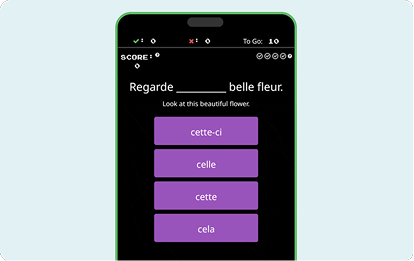
Multiple choice
Play through thousands of sentences to practice your reading skills, expand your vocab, and level up your grammar skills.
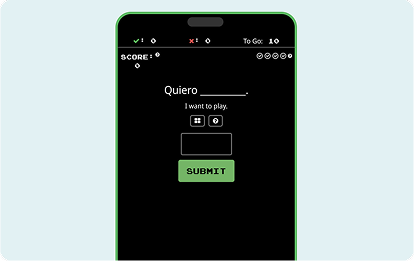
Text input
Put your memory to the test while improving your writing skills. Find out whether you really remember that conjugation or spelling.

Practice listening
Fill in the missing word or sentence based on what you hear, or try the hands-free radio mode, currently in beta on the mobile app.

Best of all language learning apps I’ve tried, and I’ve tried a plenty. With this app, I actually retain the vocabulary and sentence structures I learn, while most other apps that provide a more fun game-like experience end up almost useless for actual learning.
—Pentti S., Google Play
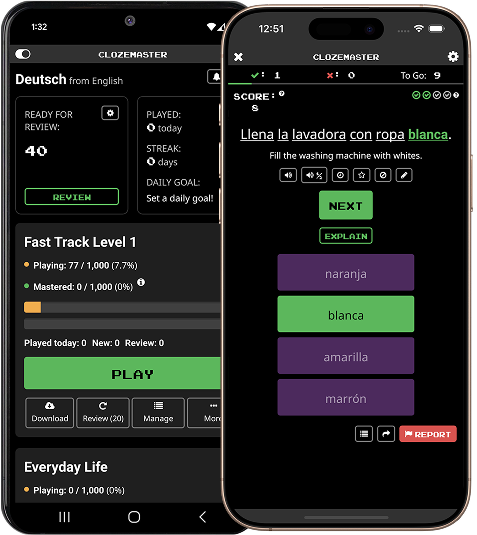
Learn on the go.
Use your downtime to level up.


Get fluent even faster with
Clozemaster Pro

Unlimited play
While a free account lets you play up to 30 sentences each day, a Pro account lets you practice as much as you want.

Unlimited listening
Understand your target language faster with unlimited listening practice in multiple modes for over 30 languages.

Unlimited languages
Maximize your learning potential with access to every language available on Clozemaster, at no extra cost.

Offline mode
Keep learning anytime, anyplace by downloading all of your collections to play offline in the mobile app.
 1-c1c9ae743b32e19cc016d0a8c84189e0070087d17233c96358e58432950e5cc8.svg)
Cloze-Reading
Improve your reading skills by filling in missing words for longer texts. Play Wikipedia articles, or import your own.

Customize to you
Adjust play options for how you learn best, including review intervals and number of sentences per round.